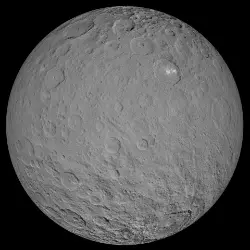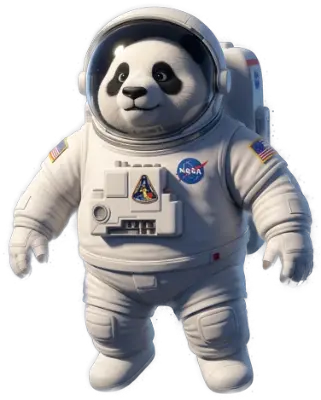

What falls faster?
If dropped in a vacuum, which would reach the ground first?
No air. No fluttering. Just gravity.
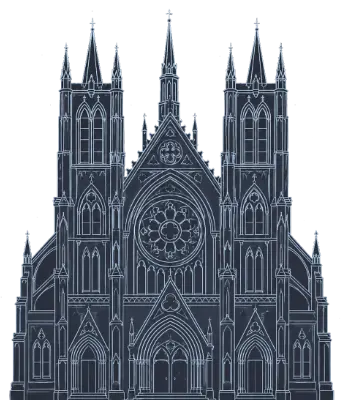 Cathedral
 Eyelash
Answer: both at almost exactly the same time.
More mass = more gravity, but it's the combined masses that matter.
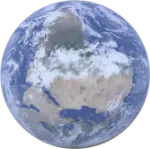
If you lift something and let go, it falls because Earth pulls on it with gravity.
It feels as if the heavier object should fall faster. But the speed of the fall is not set by the object alone. It depends on the object and Earth together.
Earth is so enormously massive that adding a cathedral barely changes the total, and adding an eyelash changes it even less.
So the two combined masses are almost the same. That is why, in a vacuum, the cathedral and the eyelash fall at almost exactly the same rate.